
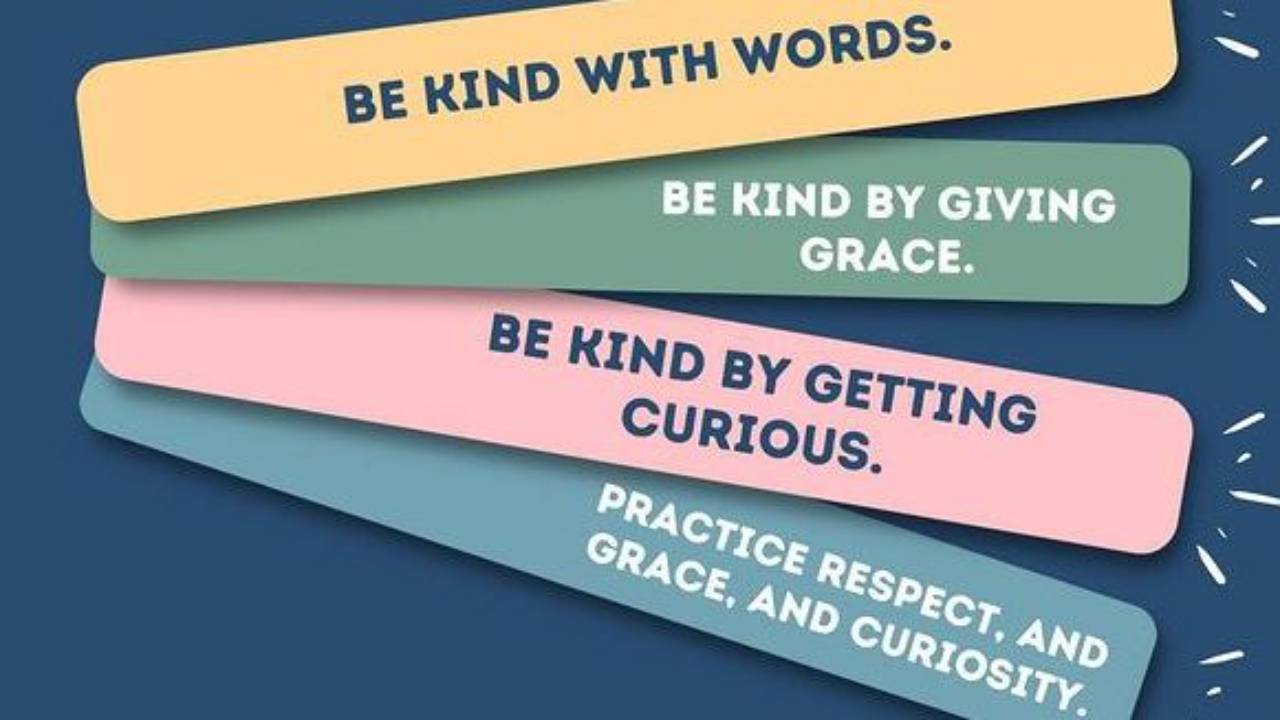
Respect and grace are often spoken about as virtues in isolation—one associated with admiration, the other with mercy or generosity of spirit. Yet in intimate relationships between men and women, respect and grace function less like separate qualities and more like two sides of the same coin. Respect is the outward acknowledgment of value; grace is the inward extension of patience, compassion, and forgiveness. When both are present and reciprocal, relationships flourish. When one is withheld, imbalance grows.
Across cultures—Black, White, Hispanic, Asian, and Indian communities—the interplay of respect and grace has taken different shapes, influenced by history, social structures, media portrayals, and economic opportunity. While no culture is monolithic, patterns of expectation and socialization influence how men and women relate to one another and how reciprocity forms the foundation of harmony.
At its core, respect in male–female relationships often manifests as recognition of role, effort, identity, and dignity. Many women express respect through affirmation, loyalty, and support for a partner’s goals and leadership. Many men express grace through protection, patience, emotional provision, and willingness to forgive human flaws. These expressions vary widely across individuals, yet the principle remains consistent: respect signals admiration; grace signals acceptance. Together they create security.
In many Western White communities, particularly those shaped by individualistic values, respect is often framed as equality of voice and autonomy. Men and women are socialized to expect mutual independence and partnership. Grace may show up as emotional flexibility, shared responsibility, and tolerance for personal growth journeys. Media portrayals frequently depict White couples navigating personal ambitions while balancing romance—sometimes idealized, sometimes fractured. Because individual fulfillment is emphasized, respect is often tied to honoring boundaries and independence.
Grace is extended through acceptance of changing identities and life paths. When reciprocal, such relationships can feel empowering. When respect is interpreted as competition or grace as permissiveness, tension emerges.
Within many Black communities in the United States and across the diaspora, historical pressures—slavery, segregation, economic inequality, and systemic discrimination—have deeply influenced relationship dynamics. Black men and women have often relied on each other not only romantically but for survival and resilience. Respect can be deeply intertwined with recognition of struggle and strength.
Women may expect acknowledgment of their endurance and contributions; men may seek affirmation of their dignity in a society that has historically undermined it. Grace, in this context, can mean patience through economic hardship or social stress. However, media portrayals have frequently distorted Black relationships, often emphasizing conflict, hyper-masculinity, or hyper-independence while underrepresenting tenderness and mutual devotion. These portrayals can shape internal narratives about desirability and partnership. In reality, many Black couples demonstrate profound reciprocity rooted in shared cultural pride and community bonds.
Hispanic communities often emphasize familismo—a strong orientation toward family unity and loyalty. Respect may be expressed through traditional role acknowledgment, attentiveness, and prioritization of family cohesion. Men may be socialized to provide and protect,while women may be socialized to nurture and maintain relational harmony. Grace in such contexts can involve forgiveness of imperfections for the sake of preserving unity. When balanced, this can produce tightly bonded family structures.However, rigid interpretations of gender roles may strain relationships if mutual respect diminishes. Media portrayals sometimes romanticize Hispanic passion while simultaneously stereotyping men as domineering or women as overly submissive or fiery.These portrayals simplify complex realities and can distort expectations both within and outside the culture.
Asian communities encompass vast diversity—East Asian, Southeast Asian, South Asian, and more—but many share values emphasizing collectivism, honor, and social harmony. Respect may be closely tied to fulfilling family expectations and maintaining dignity. Women may demonstrate respect through support of educational and career pursuits, while men may show grace through steady commitment and long-term provision. Indian communities similarly often value arranged introductions, extended family input, and shared responsibility. In these contexts, grace can mean patience with familyinvolvement or economic pressure; respect can involve honoring cultural tradition. Media portrayals, particularly in Western contexts, sometimes depict Asian men as emotionally distant or Asian women as submissive, stereotypes that overlook the nuance and strength within many Asian and Indian relationships.
Across all these communities, reciprocity is key. When men extend grace—understanding, emotional generosity, patience—and women extend respect—affirmation, appreciation, acknowledgment—relationships often feel secure.When either side perceives an imbalance, resentment can grow. Importantly, levels of grace and respect are not inherent traits of any ethnicity; they are shaped by social conditioning, media influence, economic opportunity, and collective narratives.
One complicated dynamic emerges when individuals from Black, Hispanic, Asian, or Indian backgrounds enter relationships with partners from what is socially perceived as the dominant culture in a given society—often White, Western, or economically privileged groups.Because dominance in this sense refers to historical power structures and access to resources rather than intrinsic value, perceptions of “improvement” may be shaped by social messaging rather than personal truth.Media often portrays cross-cultural relationships with the dominant group as aspirational, suggesting upward mobility or enhanced status.
In such relationships, some individuals may consciously or unconsciously extend greater grace or respect due to perceived status differences. A man from a marginalized group may feel pressure to prove worthiness and therefore exercise greater patience or tolerance. A woman may offer heightened respect, believing the partnership signals social advancement. Conversely, members of dominant groups may also extend grace or respect differently, influenced by curiosity, admiration, or cultural fascination.Yet these dynamics can create hidden strain. When admiration is rooted in hierarchy rather than equality, private conflict may arise. Individuals may accept behaviors they would not toleratewithin their own community because they equate the relationship with opportunity or validation.
Within the Black community in particular, higher rates of interracial dating in certain regions have been linked by scholars to media representation,shifting demographics, and broader social integration. Some individuals perceive cross-cultural partnerships as expanding opportunity or social acceptance.
However, many also report navigating identity tensions, family expectations, and subtle cultural misunderstandings. Grace and respect become even more essential in such unions, as partners must bridge differences in upbringing and worldview. Without reciprocity, cultural gaps widen.
Similarly, within Hispanic and Asian communities, dating outside the culture—especially with partners from socially dominant groups—may be interpreted as mobility or modernization. Yet traditional family expectations may complicate these relationships. In such situations, individuals may amplify displays of respect or grace to maintain harmony with both partner and family. If these gestures are not reciprocated, imbalance can create stress.
It is important to stress that none of these patterns are universal. Within every culture exist countless examples of equitable, loving partnerships and countless examples of imbalance. Media portrayals often exaggerate conflict or reinforce stereotypes for dramatic effect. Reality is more complex. Couples negotiate respect and grace based on personality, upbringing, socioeconomic context, and shared values far more than ethnicity alone.
Another factor influencing reciprocity is access to opportunity and resources. When economic advancement, education, and employment opportunities are equitably available, relational stress decreases. In communities facing systemic barriers, relationships may bear additional pressure. Men may feel diminished if unable to fulfill provider expectations; women may feel overburdened if carrying disproportionate responsibility. In such environments, grace becomes essential—recognizing that external constraints, not personal failings, may shape circumstances. Respect becomes equally critical—affirming effort even when outcomes are constrained.
If men across all cultures consistently extended equal measures of grace—patience, empathy, forgiveness, emotional safety—and women across all cultures consistently extended equal measures of respect—affirmation, appreciation, loyalty, encouragement—many relational tensions would diminish. This does not imply rigid gender roles or suppressing individuality. Rather, it underscores the universal human need to feel valued and accepted.
Grace without respect can feel patronizing; respect without grace can feel conditional. When combined, they foster trust. Trust allows vulnerability. Vulnerability deepens intimacy. Intimacy strengthens families and communities.
Harmonious relationships within one’s own culture are strengthened when partners resist negative media narratives and instead affirm the dignity of their shared heritage. Celebrating cultural strengths while addressing internal challenges honestly creates healthier bonds. Likewise, cross-cultural relationships thrive when partners approach each other not as symbols of status but as equals deserving of mutual honor.
The broader social environment also matters. When societies reduce inequality and expand access to education, healthcare, housing, and fair employment, relational stability improves across all groups. Economic security supports emotional generosity. Scarcity can constrict it. Thus, harmony is not solely a private achievement; it is influenced by public structures.
Ultimately, respect and grace transcend ethnicity. Cultural norms may influence how they are expressed, but the need for both is universal. When men see women not merely as partners fulfilling roles but as individuals worthy of compassion, grace flows more freely.When women see men not merely as providers or authority figures but as individuals striving for dignity, respect becomes authentic rather than obligatory.
In every culture—Black, White, Hispanic, Asian, Indian—stories of thriving partnerships share a common thread: reciprocity. The coin of respect and grace must be exchanged, not hoarded.When either side withholds its half, imbalance grows. When both offer it freely, relationships become resilient, capable of withstanding social pressure, media distortion, and economic challenge.
If each community consciously nurtured equal measures of grace and respect within its own relationships, while also advocating for equitable opportunity and dismantling harmful stereotypes, harmony would increase both within and across cultures. Differences in tradition would remain, but mutual dignity would anchor them. In that sense, respect and grace are not merely relational virtues—they are social stabilizers.
The coin has two sides, but it holds one value. When men and women, regardless of ethnicity, choose to spend it generously with one another, they invest not only in personal happiness but in the strength of their communities.