
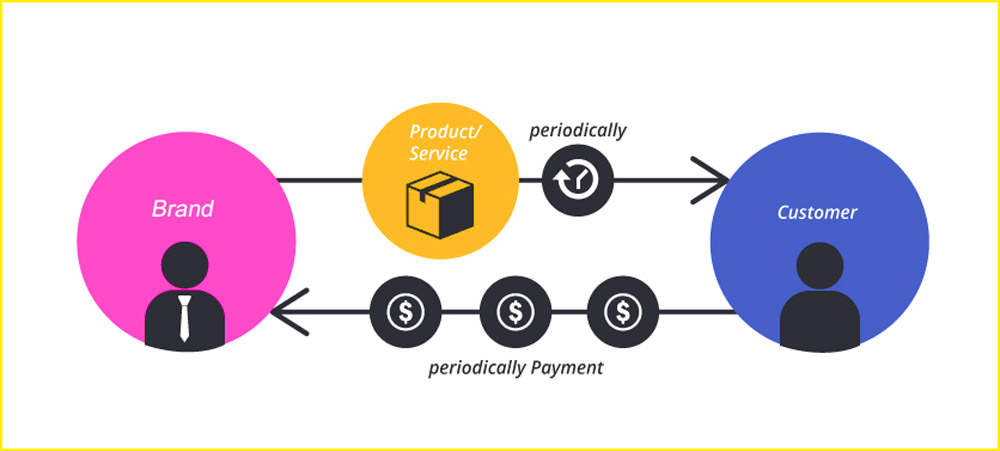
In the evolving digital economy, subscription-based business models have become ubiquitous. From streaming services and software platforms to consumer goods and even fitness apps, the world has seen an explosion of subscription offerings. The logic is straightforward: recurring revenue promises stability, predictable cash flow, and stronger customer relationships. Yet, as markets mature and consumers grow fatigued by endless subscription options, a crucial question emerges: will subscriptions remain viable in all sectors, or are we approaching a point of natural consolidation?
Some analysts argue that subscriptions will survive in exactly two places: contexts where they deliver unmatched value or where access itself becomes the differentiating factor. This assertion may sound counterintuitive given the proliferation of subscription services, but a closer look at market dynamics, consumer behavior, and economic principles explains why only certain subscription models will endure over the long term.
This article explores why subscriptions are not universally sustainable, identifies the two domains where they are likely to thrive, and examines how businesses can adapt to a world in which consumer loyalty is increasingly selective.
The Rise and Saturation of Subscriptions
Subscriptions have grown in prominence for several reasons. Companies benefit from predictable recurring revenue, which smooths cash flow and improves valuation. Consumers enjoy convenience, often accessing a suite of services at a fixed monthly price.
The proliferation of subscriptions has been particularly pronounced in three domains:
- Digital media and entertainment – Streaming services like Netflix, Spotify, and gaming platforms like Xbox Game Pass leverage subscription models to distribute content efficiently.
- Software-as-a-Service (SaaS) – Tools for productivity, collaboration, and design have transitioned from one-time licensing to recurring billing. Adobe Creative Cloud, Salesforce, and other SaaS platforms exemplify this shift.
- Consumer goods and lifestyle – Subscription boxes for food, personal care, or fashion aim to create recurring engagement with tangible products.
While subscriptions initially create excitement and growth, the strategy faces headwinds as consumers experience subscription fatigue. With multiple recurring payments across different categories, households are forced to make difficult choices, often canceling non-essential services. This trend has prompted many companies to rethink the sustainability of their recurring revenue models.
Why Most Subscriptions Will Fail
Several factors explain why subscriptions are unsustainable in many contexts:
1. Lack of Differentiation
Consumers will not pay repeatedly for services that appear commoditized. When multiple providers offer similar content, features, or products, the perceived value of any single subscription diminishes. For instance, in streaming, the market is fragmented, yet most consumers cannot justify subscribing to every platform, often picking one or two favorites.
2. Subscription Fatigue
The psychological cost of managing multiple subscriptions is non-trivial. Each additional monthly charge creates friction. Financially conscious consumers actively monitor and prune subscriptions they perceive as non-essential. According to recent studies, a significant proportion of consumers cancel subscriptions annually due to over-saturation.
3. Limited Habit Formation
Subscriptions rely on habitual engagement. If a service does not become a part of the consumer’s routine or fails to deliver ongoing value, retention suffers. Without consistent use, subscriptions become “invisible costs” and are more likely to be canceled.
4. Price Sensitivity
Recurring payments create continuous cost awareness. Unlike one-time purchases, subscriptions are consciously evaluated every billing cycle. This heightened awareness makes subscription models more vulnerable in price-sensitive markets.
5. Regulatory and Competition Pressures
In certain sectors, competition and regulation may erode the advantage of subscriptions. For example, in markets where anti-trust scrutiny or consumer protection laws limit exclusivity or automatic renewals, recurring models face structural barriers.
Given these challenges, businesses cannot assume subscriptions are universally viable. They must identify domains where the model aligns with human behavior, value creation, and the economics of recurring access.
The Two Places Subscriptions Will Survive
According to strategic analysis, subscriptions will survive long-term in exactly two types of contexts:
access-based services and high-value convenience services. These domains share a common trait: consumers perceive the subscription as indispensable, either because it provides ongoing access to scarce resources or because it delivers convenience that cannot easily be replicated.
1. Access-Based Services
Access-based subscriptions thrive when they provide exclusive or ongoing access that cannot be easily substituted. This category includes:
- Digital content platforms with unique intellectual property – Services like Netflix or Disney+ offer content libraries unavailable elsewhere. Subscribers pay not just for the medium, but for the exclusive content.
- Software platforms central to workflows – SaaS tools like Salesforce or Microsoft 365 are deeply integrated into business operations. The cost of switching is high, and continuous access is essential for productivity.
- Specialized professional services – Financial data platforms, premium research tools, or proprietary databases rely on subscription models because users need up-to-date information regularly. Without the subscription, the service loses most of its utility.
The underlying logic is simple: when access is the differentiating factor, the consumer has little choice but to maintain a subscription. It is not merely a convenience—it is a requirement. The friction of cancellation is high, and the value delivered is ongoing and exclusive.
A crucial insight is that access-based subscriptions succeed when the scarcity or uniqueness of the offering is obvious to the consumer. If every competitor offers similar access for similar prices, the model begins to erode. This explains why platforms invest heavily in exclusive content, proprietary features, or high-quality datasets: these elements defend the recurring revenue model by creating differentiation.
2. High-Value Convenience Services
The second domain where subscriptions survive is where they offer significant convenience that cannot easily be replaced or replicated. These services are not necessarily unique in content, but they remove effort or friction in ways that justify ongoing payments.
Examples include:
- Logistics and delivery services – Subscription models like Amazon Prime provide fast, reliable delivery, along with bundled benefits such as streaming access or discounted services. Convenience becomes the primary driver, and users maintain subscriptions because the time and effort saved outweigh the recurring cost.
- Automated replenishment services – Products like Dollar Shave Club or HelloFresh succeed because subscribers avoid the friction of manually purchasing essential items regularly. The recurring model converts an otherwise tedious task into a predictable, effortless experience.
- Time-saving software tools – Automation platforms or workflow enhancers offer subscriptions not for unique content, but because the efficiency they generate exceeds the subscription cost. Users retain access because the convenience is integrated into daily life.
The survival of convenience-based subscriptions hinges on perceived net benefit exceeding the cost of subscription. Unlike access-based subscriptions, where scarcity creates necessity, convenience-based subscriptions survive by removing friction and saving time.
Why Other Subscription Models Fail
Subscriptions outside these two domains face structural weaknesses. Many attempts to monetize products or services on a recurring basis fail because they lack intrinsic necessity or tangible ongoing benefit.
For example:
- Media aggregators without exclusivity – News or entertainment apps that rely solely on generic content struggle to retain subscribers once consumers perceive free alternatives.
- Fitness or lifestyle subscriptions – Monthly gym memberships or premium apps may retain only a fraction of users unless they offer personalized value or habitual engagement.
- Commodity goods – Subscription boxes for generic items often struggle unless the offering includes curation or convenience that justifies the recurring fee.
In short, subscriptions that do not deliver either unique access or high-value convenience are unlikely to endure as consumers become selective about recurring commitments.
The Economics Behind Survival
The survival of subscriptions in these two domains is grounded in basic economic principles.
- Switching Costs – Access-based subscriptions create high switching costs, as abandoning the service often means losing critical content, data, or functionality.
- Utility Maximization – Convenience-based subscriptions save time, effort, or cognitive load, which translates into economic and psychological value for the subscriber.
- Perceived Indispensability – Both categories leverage perception: the subscription becomes a tool the user feels they cannot live without.
In contrast, subscriptions that fail to deliver these benefits are easily replaceable, leaving the recurring model vulnerable to cancellations.
The Role of Consumer Psychology
Consumer psychology reinforces this dynamic. Humans are highly sensitive to cognitive friction and opportunity cost. Every subscription adds a recurring mental and financial commitment. Only services that clearly reduce friction or provide irreplaceable access overcome the natural inclination to cancel non-essential subscriptions.
Furthermore, recency and habit play a critical role. Subscriptions that become part of a consumer’s daily routine—such as workplace software, essential content, or convenience platforms—tend to persist. Those that are sporadically used or easily substituted are prone to churn.
Implications for Businesses
Understanding that subscriptions will survive in only two domains carries several implications for businesses:
- Focus on Value Creation – Companies must clearly articulate why their subscription is indispensable, either by delivering unique access or by providing high-value convenience.
- Avoid Gratuitous Complexity – Adding features, upsells, or extraneous options may increase short-term engagement but does not guarantee retention. Simplicity and clarity reinforce perceived value.
- Monitor Churn Aggressively – High churn rates signal that the subscription is not meeting the threshold of necessity or convenience. Proactive adjustments are critical.
- Invest in Habit Formation – Encouraging daily or regular use reinforces retention for both access-based and convenience-based subscriptions.
- Evaluate Market Saturation – Even services that meet the criteria must consider competitive pressures. Access-based subscriptions are sustainable only with clear differentiation, while convenience-based subscriptions require a superior experience relative to alternatives.
Businesses that fail to understand these principles may continue to rely on unsustainable recurring models, risking eventual attrition.
Case Studies: Success and Failure
Successful Access-Based Subscription: Salesforce
Salesforce’s SaaS model exemplifies an access-based subscription. Businesses pay recurring fees to access a comprehensive CRM platform that is deeply integrated into operations. Because switching costs are high and the platform provides ongoing, indispensable access to data and tools, the subscription model remains durable.
Successful Convenience-Based Subscription: Amazon Prime
Amazon Prime illustrates a convenience-based subscription. Users pay a recurring fee to enjoy fast shipping, integrated services, and a seamless shopping experience. The subscription survives not because the content is unique (though streaming content adds some access value) but because the convenience significantly outweighs the cost.
Failed Subscription: Generic News Apps
Generic news apps without unique content or highly personalized curation often fail to retain subscribers. While initial curiosity drives sign-ups, users quickly cancel once they realize free alternatives exist, demonstrating the risk for subscriptions outside the two survival domains.
The Future of Subscription Business Models
As markets mature, subscription models will increasingly consolidate around these two survival niches. Companies will need to adapt:
- Content providers must secure exclusivity and integrate subscription services into broader ecosystems.
- Service providers must demonstrate tangible convenience, efficiency gains, or habit-forming value.
- Emerging sectors should carefully evaluate whether a recurring model aligns with necessity or convenience rather than convenience masquerading as habit or luxury.
Ultimately, the future of subscriptions will not be about widespread adoption but strategic fit: recurring revenue will endure where it delivers true, perceived indispensability to users.
Conclusion
Subscriptions are not a universal solution. Market saturation, subscription fatigue, and consumer psychology impose structural limits on recurring models. As a result, subscriptions will survive in exactly two places:
- Access-Based Services – Where ongoing, exclusive access provides a clear, irreplaceable value.
- High-Value Convenience Services – Where recurring engagement removes friction and delivers tangible time or effort savings.
Understanding these dynamics is crucial for businesses aiming to succeed with subscription models. Those that misapply the recurring revenue strategy to commoditized goods or low-utility services will face churn and declining returns. Conversely, companies that align their subscriptions with access or convenience will secure long-term loyalty and predictable revenue streams.
In a landscape crowded with monthly charges, the key to survival is not just offering a subscription—it is offering one that users truly cannot live without. In the coming decade, the winners will be those who understand the psychology, economics, and strategic imperatives behind the two domains where subscriptions will continue to thrive.
The future of recurring revenue is not universal; it is selective, strategic, and concentrated. Only those that deliver indispensable access or high-value convenience will continue to earn the right to bill users every month.