
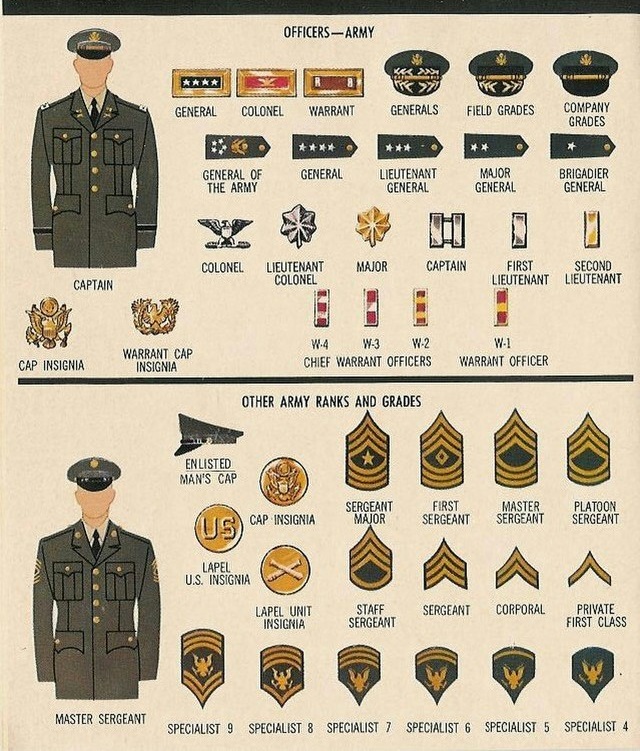
Military rank is one of the oldest and most enduring structures in human history. Across empires, kingdoms, and modern nation-states, the system of ranks and promotions has been central to organizing armies, maintaining discipline, and establishing clear hierarchies. Military rank delineates authority, responsibility, and expertise, affecting both officers and enlisted personnel. Yet, as with any hierarchical system, it comes with advantages and disadvantages, opportunities for abuse, and complexities in assessing true capability.
This article explores the history of military ranks, officer and enlisted promotion systems, historical precedents, the influence of prior empires, strengths and weaknesses of rank, and the evolving nature of military hierarchy in the future.
Origins and Historical Development of Military Rank
1. Ancient Armies
The concept of rank existed in early armies such as ancient Egypt, Mesopotamia, Greece, and Rome, though not always formalized. Command was often assigned based on nobility, experience, or merit.
- Ancient Greece: City-states like Athens and Sparta had officer roles (strategos in Athens, polemarchs in Sparta) responsible for leading troops. Rank was tied to civic status in many cases.
- Roman Empire: Rome formalized military rank with a highly structured system. The centurion led units of roughly 80 soldiers and was critical in enforcing discipline. Officers like tribunes and legates managed larger units, with rank reflecting experience, loyalty, and sometimes political influence.
Many elements from Rome—structured hierarchy, clear chain of command, and distinctions between officers and lower ranks—are still visible in modern militaries.
2. Medieval and Feudal Eras
During the medieval period, rank often intertwined with nobility. Feudal lords raised armies from their vassals, appointing knights and squires with authority. Promotions were typically based on loyalty, land ownership, and battlefield distinction.
- Advantages included personal allegiance and cohesion.
- Disadvantages included nepotism and uneven training, as social status could outweigh skill.
This period also introduced titles like captain, sergeant, and marshal, which evolved into modern equivalents.
3. Early Modern Militaries
The 17th and 18th centuries saw the professionalization of armies in Europe. Standing armies required formal systems for officer and enlisted promotions:
- Officer Promotions: Often influenced by purchase or nobility, though merit-based promotion began to gain importance in enlightened states like Prussia.
- Enlisted Promotions: Typically based on service time, battlefield performance, and demonstrated leadership. Non-commissioned officers (NCOs) such as sergeants and corporals became critical in maintaining discipline and training soldiers.
Notably, military manuals like those of Frederick the Great of Prussia formalized rank responsibilities, setting precedents still influential today.
4. Influence from Past Empires
Modern rank systems have inherited key structures from previous empires:
- Roman Legions: Clear distinction between officers and enlisted soldiers, with chain-of-command emphasis.
- Ottoman Janissaries: Elite soldiers with internal hierarchies, showing that merit-based promotion could coexist with political loyalty.
- Napoleonic France: Ranks reflected both merit and political loyalty, emphasizing the importance of battlefield effectiveness.
These historical models influence contemporary rank, promotion, and training structures worldwide.
Officer and Enlisted Ranks: Structure and Promotion
1. Officers
Officers are responsible for planning, leadership, and administration:
- Commissioned Officers: Typically begin as second lieutenants or ensigns, rising through ranks such as captain, major, colonel, and general.
- Promotion Criteria: Traditionally include time in service, completion of training programs, demonstrated leadership, and sometimes political or social considerations.
- Modern Changes: Professional militaries emphasize performance evaluations, formal education, and leadership aptitude alongside experience.
2. Enlisted Personnel
Enlisted personnel perform specialized and tactical roles:
- Ranks: Start from private or seaman, advancing through corporal, sergeant, and chief positions.
- Promotion Criteria: Merit, technical skill, time-in-grade, and leadership ability often determine advancement.
- NCO Importance: Non-commissioned officers serve as the backbone of the military, bridging enlisted soldiers and officers, enforcing discipline, and mentoring junior personnel.
3. Differences Between Officer and Enlisted Promotions
- Officers: Focus on strategic leadership, long-term planning, and broad organizational oversight. Promotions may include formal schooling, command experience, and political evaluation.
- Enlisted: Focus on tactical competence, technical expertise, and immediate leadership. Promotions are often more structured around clear benchmarks and performance metrics.
Advantages of Military Rank Systems
- Clarity of Authority: Rank establishes a clear chain of command, essential in high-pressure combat situations.
- Organization and Discipline: Hierarchies allow coordinated action across large, complex units.
- Merit Recognition: Promotions reward skill, experience, and leadership, motivating personnel.Career Development: Rank provides a pathway for professional growth and long-term career planning.
- Specialization and Accountability: Clear role definitions help assign responsibilities and maintain accountability for decisions.
Disadvantages and Risks of Military Rank
Despite benefits, rank systems carry inherent disadvantages:
- Abuse of Power: Hierarchical structures can facilitate authoritarian behavior, favoritism, or harassment.
- Rank vs. Ability Mismatch: Achieving a higher rank does not always indicate true leadership ability or courage, especially under combat conditions.
- Nepotism and Patronage: Historically, social status or political favor could override competence, particularly in aristocratic or early modern systems.
- Rigid Structures: Excessive hierarchy can slow decision-making, reduce innovation, and hinder adaptability.
- Psychological Impact: Lower-ranked personnel may feel disempowered or undervalued, affecting morale and cohesion.
Historical Examples of Rank Abuse and Misalignment
- Napoleonic Wars: Political connections sometimes influenced officer promotions, leading to uneven battlefield performance.
- World War I: Some high-ranking officers were criticized for strategic rigidity and poor decisions despite senior rank.
- Modern Conflicts: Instances of hazing, abuse, and unethical behavior show that hierarchy can be misused when oversight is insufficient.
Evolution and Modernization of Military Rank
Military rank continues to evolve in response to changing warfare, technology, and organizational needs:
1. Emphasis on Merit and Competence
Modern militaries increasingly prioritize:
- Leadership ability in varied scenarios
- Decision-making under stress
- Tactical and technical proficiency
Merit-based promotion ensures ranks better reflect actual capabilities.
2. Training and Education
Officers and enlisted personnel undergo formal education, professional military schools, and simulation-based training to prepare for higher responsibilities.
3. Flattening and Flexibility
Some contemporary forces experiment with flatter structures, cross-functional teams, and task-specific temporary authorities to adapt to modern warfare.
4. Digital Evaluation
Performance management systems track individual skill development, operational performance, and leadership potential, enhancing fairness and transparency in promotions.
Rank and the Human Factor: Heart vs. Title
Rank is a structural tool, not an absolute measure of courage, integrity, or leadership under fire:
- War: Some low-ranked soldiers have shown extraordinary initiative and bravery, outperforming higher-ranked officers.
- Peace: Effective leadership often requires empathy, cultural understanding, and innovation—traits not automatically guaranteed by seniority.
- Conclusion: Rank is a framework for organization, but true potential is situational, multifaceted, and often independent of title.
The Future of Military Rank and Promotions
Military rank is likely to continue evolving in several directions:
1. Competency-Based Promotion Systems
Future systems may rely more on demonstrated skill and potential rather than purely time-in-grade or seniority.
2. Adaptive Leadership Structures
Flexible command structures may allow temporary delegation of authority to individuals best suited to specific operations, regardless of rank.
3. AI and Data-Driven Evaluation
Artificial intelligence could analyze performance metrics, decision-making patterns, and operational outcomes to inform promotions objectively, minimizing bias.
4. Psychological and Ethical Assessment
Future promotions may incorporate assessments of ethical judgment, emotional intelligence, and resilience, reflecting modern leadership needs.
5. Recognition of Non-Traditional Contributions
Specialists in cyber operations, logistics, or medical services may receive rank equivalency recognition reflecting impact rather than combat experience alone.
Conclusion
The history of military rank demonstrates humanity’s enduring effort to balance order, efficiency, and authority with recognition of skill and leadership. From ancient Rome to modern professional forces, rank structures have enabled armies to function effectively while posing risks of abuse, rigidity, and misaligned authority. Officer and enlisted promotions reflect a combination of experience, merit, and sometimes social or political factors. Yet, historical and modern examples show that true courage, strategic insight, and leadership often transcend rank.
Looking forward, the evolution of rank and promotion systems will likely focus on competency, adaptability, ethical leadership, and data-informed evaluation, ensuring that military hierarchy remains both effective and fair. By learning from the past while embracing innovation, militaries can maintain organizational discipline and structure without losing sight of the human potential at the heart of effective armed service.
Ultimately, military rank is a tool for organization and recognition, but it is not a definitive measure of character or capability. Its continued evolution is essential to meet the complex challenges of modern warfare, peacekeeping, and global security.