
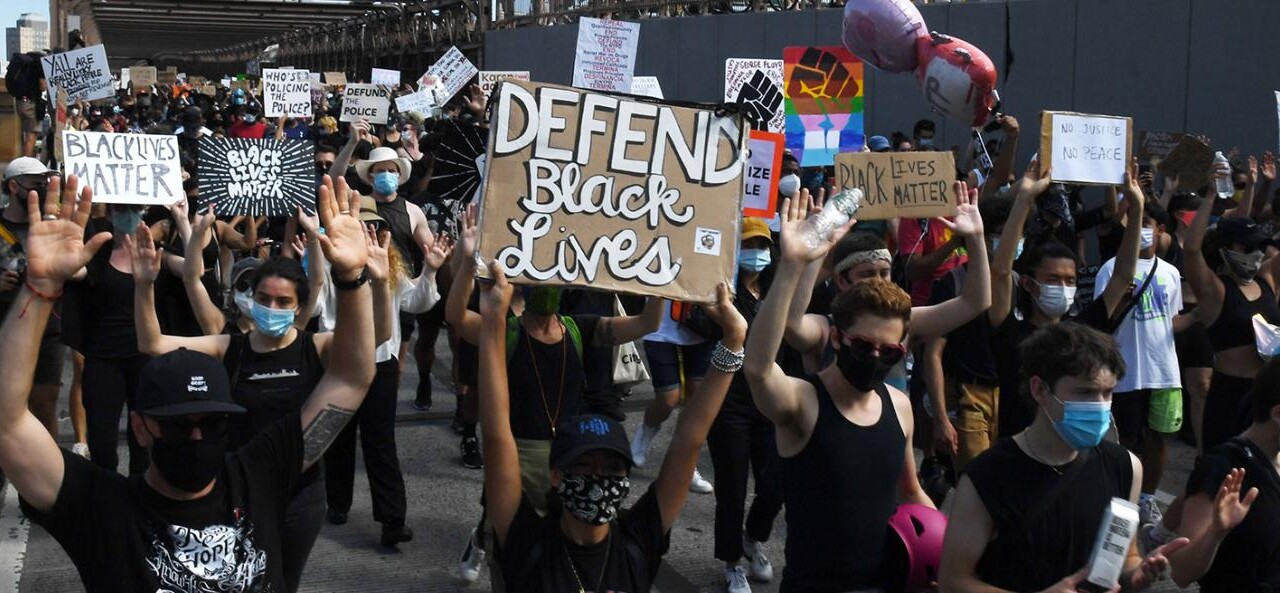
Across modern history, many groups have suffered mass violence, dispossession, and systemic exclusion. Yet the experience of people of African descent—particularly those impacted by the transatlantic slave trade and its aftermath—stands apart in scale, duration, and the lack of comprehensive repair. While other marginalized groups have received formal apologies, land restoration, financial compensation, or legal redress, the harms inflicted on Black communities remain largely unaddressed, even as structural barriers continue to limit opportunity outside a narrow set of socially accepted domains.
Understanding why requires confronting uncomfortable historical realities and examining how power, economics, and racial hierarchy shaped what was repaired—and what was not.
1. The Scale and Nature of Atrocities
The transatlantic slave trade was not only a system of forced labor; it was a global economic engine built on racialized dehumanization. Over centuries, millions of Africans were:
- Captured and sold as property
- Transported under conditions designed for profit, not survival
- Legally stripped of family, identity, and autonomy
- Exploited across generations with no wages or rights
Unlike many other systems of oppression, slavery in the Americas was hereditary, permanent, and explicitly racial. Even after legal abolition, formerly enslaved people entered societies where laws and norms were designed to preserve the economic and political power of their former enslavers.
2. Emancipation Without Repair
When slavery formally ended, freedom did not come with restitution. There was:
- No large-scale land redistribution
- No compensation for generations of unpaid labor
- No sustained federal commitment to economic inclusion
Instead, many Black communities were pushed into sharecropping, debt peonage, and later segregationist systems that replicated exploitation under new legal names. In contrast, former slave owners in some regions received compensation for “loss of property,” reinforcing the idea that Black lives were economic units rather than human beings.
This inversion—compensating those who benefited from oppression while denying restitution to its victims—set a precedent that still shapes modern debates.
3. Reparations: Who Received Them and Who Did Not
Historically, several groups have received reparations or formal redress:
- Jewish survivors of the Holocaust received financial compensation, property restitution, and state acknowledgment
- Japanese Americans interned during World War II received formal apologies and monetary payments
- Some Indigenous nations received land settlements or compensation (often incomplete and contested)
By contrast, reparations for descendants of enslaved Africans have repeatedly stalled. One reason is political resistance rooted in the scale of the harm—acknowledging it would challenge foundational narratives about wealth, merit, and national identity.
Another complicating factor is that post-abolition compensation systems often benefited:
- Slave owners claiming financial loss
- Later-recognized Native American groups through separate treaty frameworks
These outcomes do not negate Indigenous suffering but highlight how Black reparative claims were uniquely excluded from meaningful resolution.
4. Ongoing Suppression Disguised as Neutrality
While explicit racial exclusion has declined, structural barriers persist in subtler forms:
- Unequal access to capital and credit
- Underfunded education systems
- Disproportionate criminal justice outcomes
- Limited intergenerational wealth transfer
At the same time, Black success is often celebrated primarily in sports and entertainment—fields that generate enormous profit but rarely translate into structural power. These arenas allow visibility without threatening existing economic hierarchies.
This dynamic can create the illusion of progress while leaving deeper inequities intact.
5. Why Repair Remains Politically Unacceptable
Reparations are not only about money; they are about acknowledgment, accountability, and structural correction. Resistance often stems from:
- Fear of financial cost
- Anxiety about moral responsibility across generations
- Political narratives framing repair as “special treatment” rather than overdue justice
Unlike other reparations efforts, addressing slavery would require confronting how modern wealth, institutions, and national power were built.
6. The Cost of Non-Repair
Failing to address historical harm does not make it disappear—it compounds it. Unrepaired injustice becomes:
- Intergenerational poverty
- Mistrust in institutions
- Cycles of social instability
Repair is not about guilt; it is about creating conditions where historical disadvantage no longer dictates future outcomes.
Conclusion: The Question Is Not Whether Harm Occurred
The historical record is clear: atrocities against Black people were foundational to modern global systems and uniquely sustained across centuries. The unresolved question is whether societies built on that harm are willing to engage in repair with the same seriousness they have shown elsewhere.
Until that question is answered honestly, inequality will continue to be treated as accidental rather than inherited—and justice will remain selectively applied.