
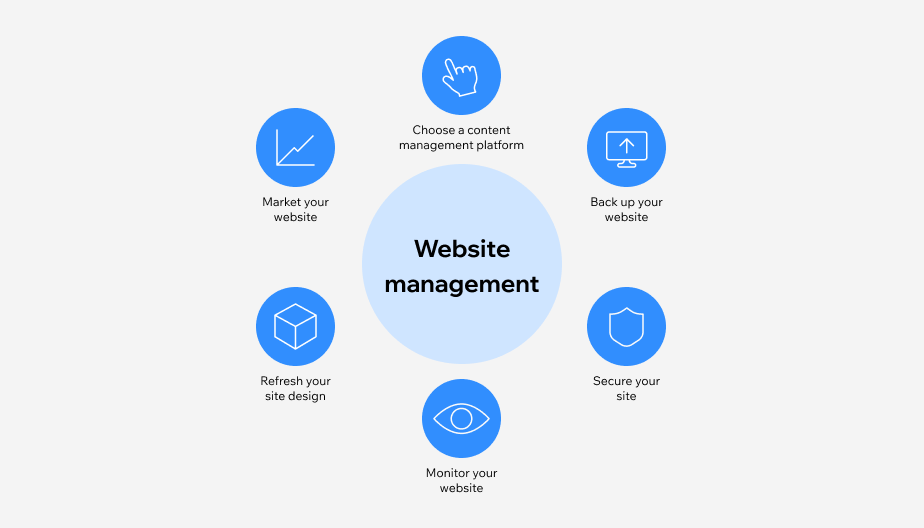
In today’s digital economy, a website is more than a brochure — it’s a storefront, publishing platform, marketing engine, data hub, and customer service channel rolled into one. Whether you’re a freelancer, entrepreneur, nonprofit leader, or corporate professional, understanding web development — and more importantly, learning to manage your own website platform — is a powerful long-term asset.
Platforms like WordPress, Shopify, Webflow, and Wix have made launching a site easier than ever. But simply launching a site and truly managing one are two different skill levels. The difference between relying entirely on outside help and confidently managing your own web presence can translate into real financial, strategic, and creative advantages.
Let’s explore why learning web development — even at a foundational level — and managing your own platform is worth the investment, along with the key things to keep in mind as your site evolves over time.
The Expanding Role of Web Development
Web development is no longer reserved for full-time engineers. Today it spans:
- Front-end development (design, layout, user interface)
- Back-end development (databases, servers, application logic)
- Content management systems (CMS)
- E-commerce infrastructure
- SEO and performance optimization
- Security and data compliance
- Integrations with marketing, CRM, and analytics tools
Even if you’re not writing advanced JavaScript or building custom APIs, understanding how your website works gives you strategic control.
Knowing how hosting functions, how themes or templates interact with plugins, how DNS records connect domains, or how caching improves speed helps you avoid costly mistakes and make better long-term decisions.
The Benefits of Managing Your Own Website Platform
1. Cost Control and Flexibility
Outsourcing everything can become expensive quickly. Agencies and developers often charge:
- Initial build fees
- Monthly maintenance retainers
- Hourly update rates
- Emergency troubleshooting costs
When you understand your own platform, you can:
- Publish content immediately
- Update designs or offers without delay
- Install and configure plugins or integrations
- Troubleshoot minor issues independently
This doesn’t eliminate the need for expert help in complex cases, but it dramatically reduces dependence.
Over time, that translates into thousands of dollars saved — and more importantly, faster execution.
2. Speed of Execution
Business moves fast. If you’re launching a new product, running a campaign, or responding to a market shift, waiting days for a developer to update your homepage can be costly.
Managing your own site allows you to:
- Launch landing pages instantly
- Test messaging and layouts
- Update pricing or promotions
- Publish time-sensitive content
Speed creates competitive advantage.
3. Ownership and Data Control
When you fully control your platform, hosting, and domain, you retain ownership over:
- Content
- Customer data
- Analytics
- SEO rankings
- Design assets
Relying entirely on third-party marketplaces or social media platforms introduces risk. Algorithm changes or account suspensions can drastically impact visibility overnight.
For example, businesses that rely only on social platforms like Instagram or TikTok may see traffic fluctuate dramatically due to algorithm updates.
Your website is digital real estate you control.
4. SEO and Long-Term Visibility
Search engine optimization (SEO) compounds over time. But SEO requires:
- Clean site structure
- Fast load times
- Proper metadata
- Mobile optimization
- Secure HTTPS configuration
- Quality content architecture
If you don’t understand how your website platform handles these elements, you’re leaving growth to chance.
Even a basic knowledge of:
- How XML sitemaps work
- How redirects function
- How schema markup improves visibility
- How internal linking builds authority
can significantly improve organic traffic over the long term.
5. Better Security Awareness
Security is one of the most overlooked aspects of web management.
If you run your own website, you must understand:
- SSL certificates
- Software updates
- Plugin vulnerabilities
- Backup systems
- User access permissions
- Two-factor authentication
Many site owners assume their hosting provider handles everything. While hosts offer some protection, responsibility is shared.
Failing to update plugins or themes regularly — particularly on CMS platforms — is one of the most common causes of website breaches.
Managing your own platform builds awareness and reduces risk.
Core Skills Worth Learning
You don’t need to become a full-stack developer, but mastering the following fundamentals makes a major difference:
- Basic HTML and CSS
- Hosting and domain management
- CMS administration
- Performance optimization basics
- Analytics interpretation
- Backup and restore procedures
Understanding how tools like Google Analytics work allows you to make data-driven decisions instead of guessing.
Likewise, learning version control basics — even at a simple level — helps prevent costly mistakes during redesigns or feature rollouts.
Things to Keep in Mind Over Time
Managing your own website is not a one-time task. It’s an ongoing process. Here are critical long-term considerations:
1. Technology Evolves Quickly
Frameworks, plugins, design trends, and security standards evolve constantly.
What worked five years ago may now:
- Load too slowly
- Look outdated
- Be insecure
- Hurt SEO rankings
Plan periodic audits:
- Annual design refresh evaluations
- Quarterly plugin reviews
- Regular performance testing
Avoid “set it and forget it” thinking.
2. Avoid Plugin Overload
Especially on CMS platforms, it’s tempting to install a plugin for everything.
Too many plugins can:
- Slow performance
- Create compatibility conflicts
- Introduce security vulnerabilities
Regularly evaluate whether each plugin still serves a purpose.
3. Backups Are Non-Negotiable
A reliable backup strategy should include:
- Automated daily backups
- Off-site storage
- Manual backup before major updates
- Periodic restoration tests
Backups are useless if you’ve never tested restoring them.
4. Monitor Performance and User Experience
Site speed and usability directly impact:
- Conversion rates
- Bounce rates
- SEO rankings
- Customer trust
Performance tools can help identify:
- Large image files
- Inefficient scripts
- Server bottlenecks
- Caching issues
As your traffic grows, your hosting needs may change.
5. Plan for Scalability
If your site grows from:
- 1,000 monthly visitors to 100,000
- 10 products to 1,000
- A blog to a membership platform
your infrastructure must evolve.
This may involve:
- Upgrading hosting
- Moving to cloud services
- Implementing CDN solutions
- Improving database optimization
Planning early prevents painful migrations later.
6. Understand Legal and Compliance Responsibilities
Website owners must stay aware of:
- Data privacy regulations
- Cookie policies
- Accessibility standards
- E-commerce compliance
Regulations evolve, and responsibility ultimately rests with the site owner — not the platform provider.
7. Document Your System
As your website becomes more complex, documentation becomes critical:
- Hosting credentials
- Domain registrar details
- Plugin lists
- Custom code snippets
- Integration workflows
If you ever need outside help, documentation reduces onboarding time and risk.
The Strategic Advantage
Learning web development and managing your own website platform is not just a technical skill — it’s a strategic advantage.
It gives you:
- Agility
- Cost efficiency
- Data ownership
- Security awareness
- Marketing control
- Long-term scalability
Even if you eventually hire a developer or agency, your knowledge allows you to:
- Ask better questions
- Evaluate proposals intelligently
- Avoid unnecessary upsells
- Maintain ownership of your digital infrastructure
You move from being dependent to being informed.
Final Thoughts
The web is not becoming less important — it’s becoming more central to business, branding, and communication every year.
Learning to manage your own website platform doesn’t require becoming a professional engineer. But gaining foundational web development literacy gives you control over one of your most valuable digital assets.
In a world where platforms rise and fall, algorithms change, and technologies evolve rapidly, owning and understanding your own web presence remains one of the smartest long-term investments you can make.
Your website is not just a tool — it’s infrastructure. And the more you understand that infrastructure, the more resilient and powerful your digital presence becomes.